In 2013, after my exhibition opening in New Orleans, I made a side trip to Hale County, Alabama to see what remained of the world that James Agee and Walker Evans had captured in their classic book Let Us Now Praise Famous Men.In 1936, they spent six weeks documenting three sharecropper families on assignment for Fortune Magazine.
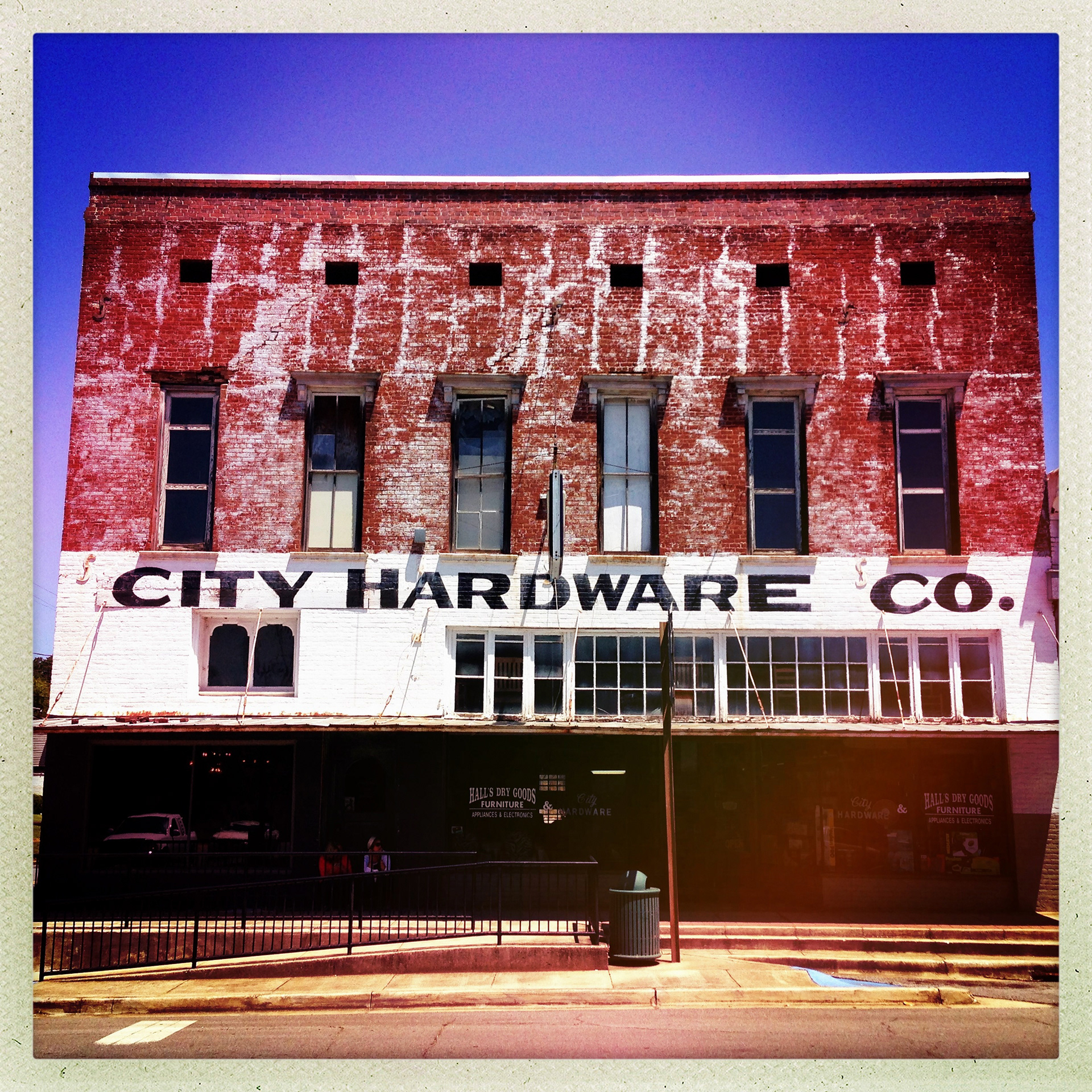
Arriving in Greensboro, I found a dying town with many boarded up buildings, including the hotel that Walker Evans called home during the project. I slept in a bed and breakfast where Paul Theroux had recently stayed while researching a piece called “Soul of The South” for Smithsonian Magazine. One bright spot was the town’s sole restaurant, The Pie Lab, which featured a job training program for low-income youth.
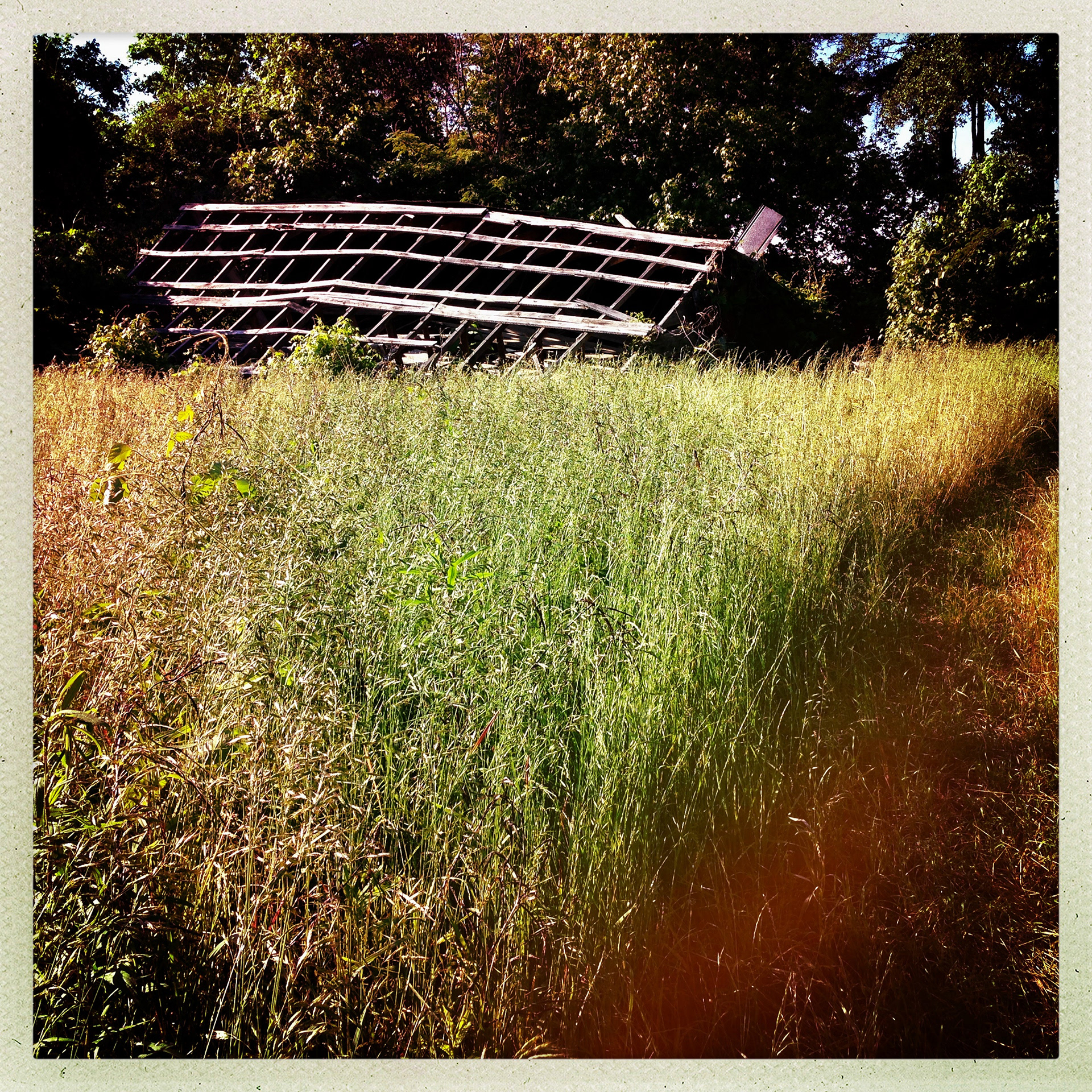
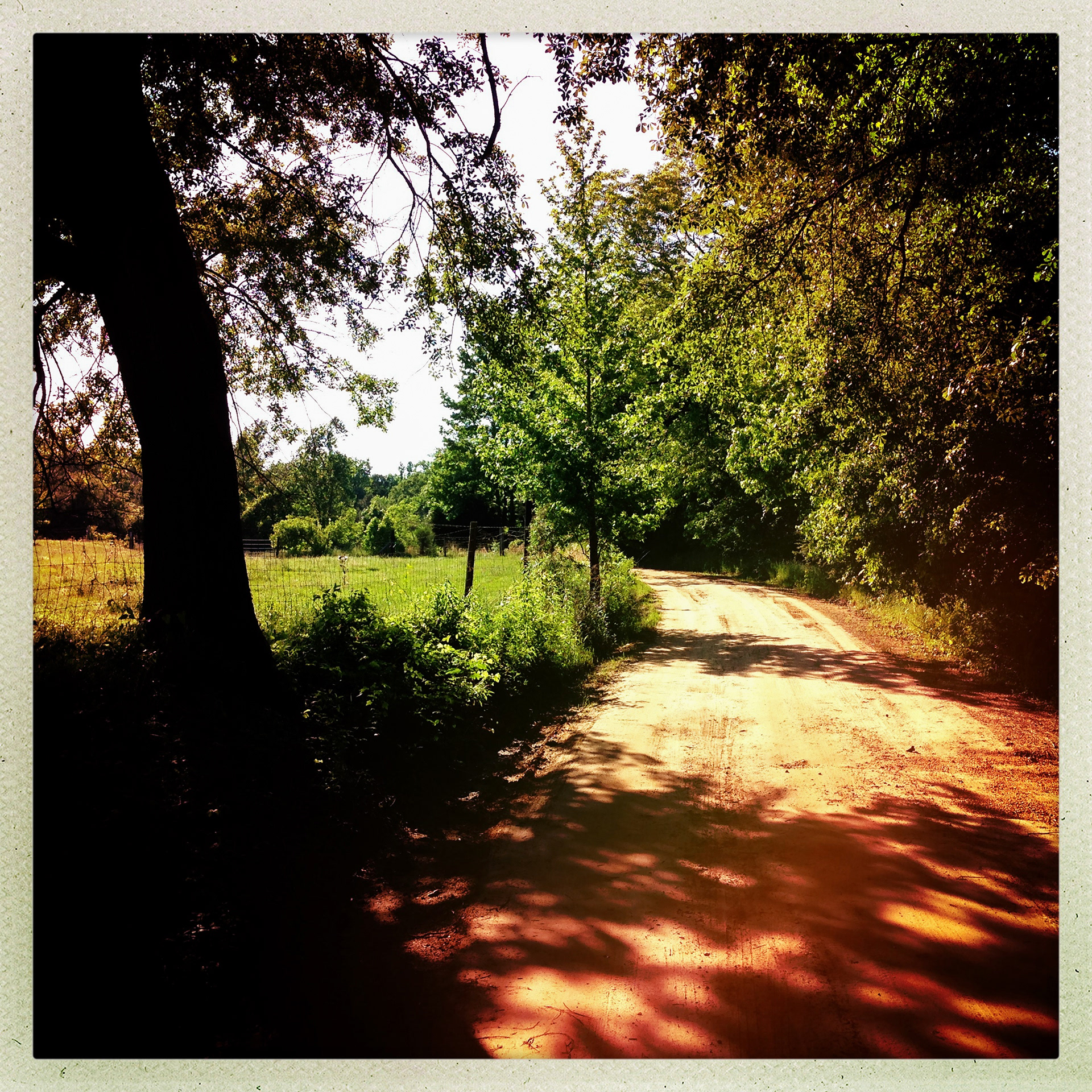
With directions from locals, I found my way up to Mills Hill, where the Burroughs, Tingle, and Fields families had been living when Agee and Evans arrived. The steep dirt road hadn’t changed much since 1936. On either side lay overgrown fields once tilled by sharecropper families and their mules. The ruined carcasses of several shacks—little more than piles of weathered boards poking up from the weeds—were the only remnants of the cruel system of tenant farming that had once ruled the hill.
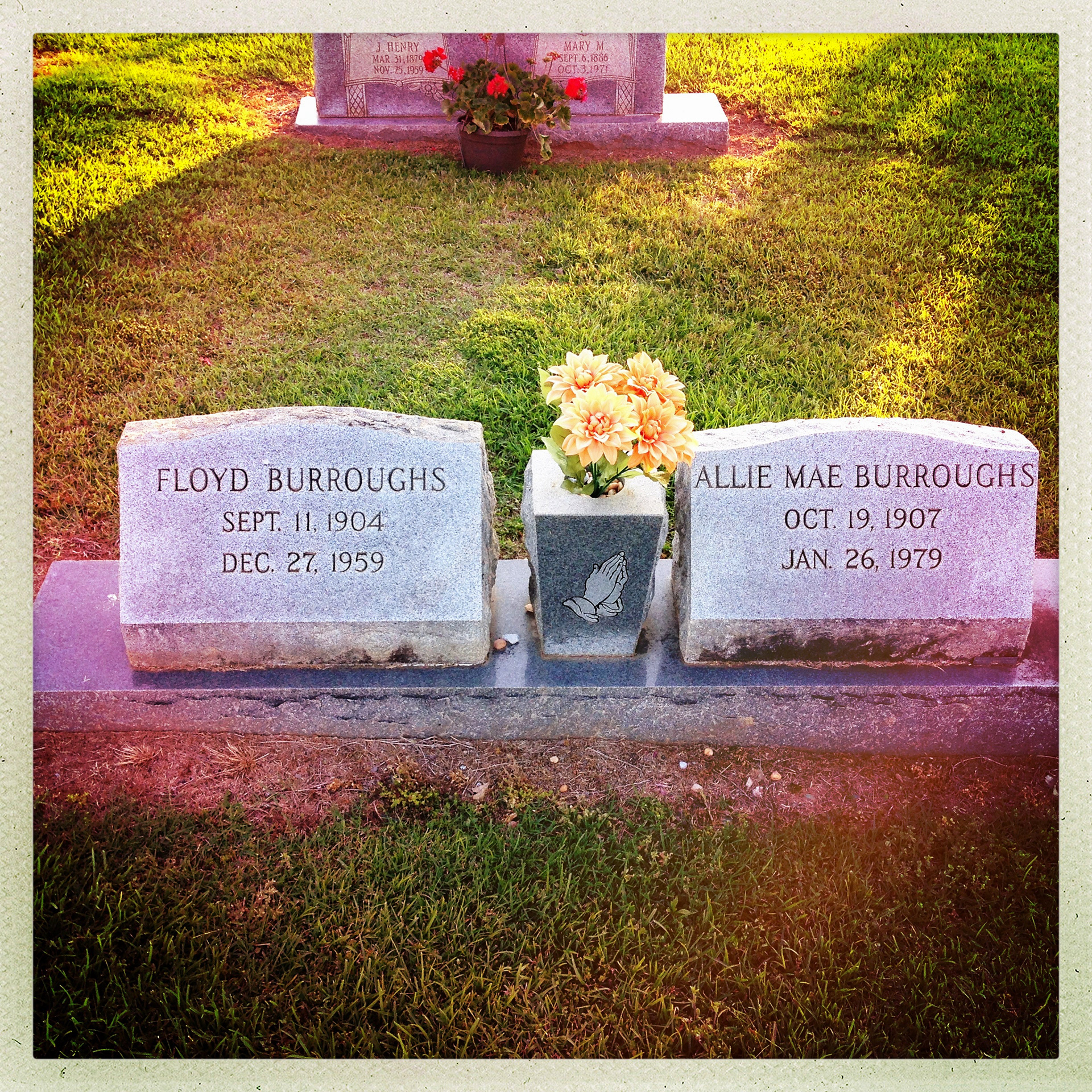
That evening, I found the graves of Floyd and Allie Mae Burroughs in a cemetery near the tiny hamlet of Moundville. He had succumbed to cancer at fifty-five while she lived on another twenty years. Standing before their graves, I pulled up the 1936 black and white portraits on my phone, contemplating their lives until dusk turned to dark.
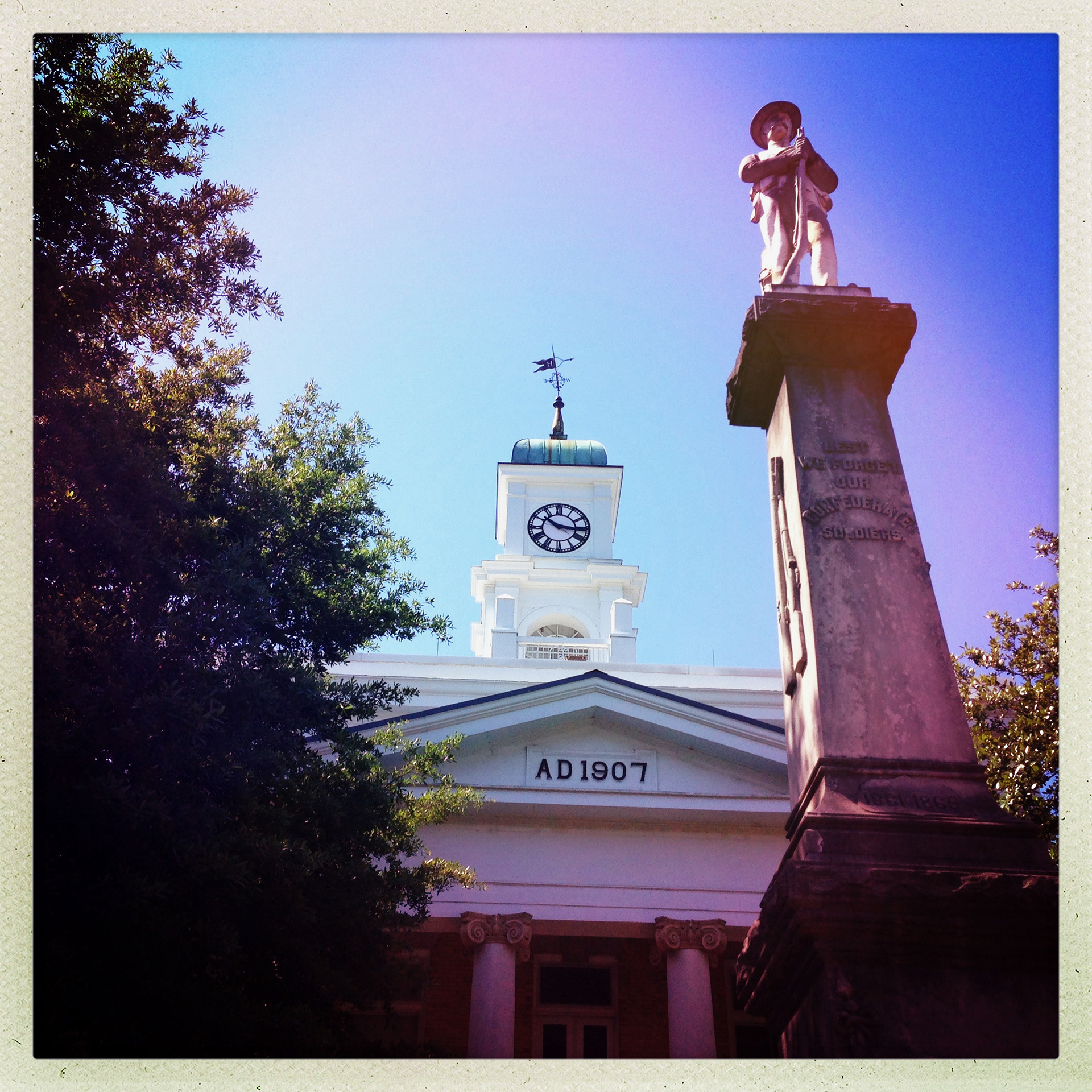
Evans and Agee met Floyd Burroughs, Frank Tingle and Bud Fields standing beneath this statue at the county courthouse. They were applying for federal assistance but did not qualify.
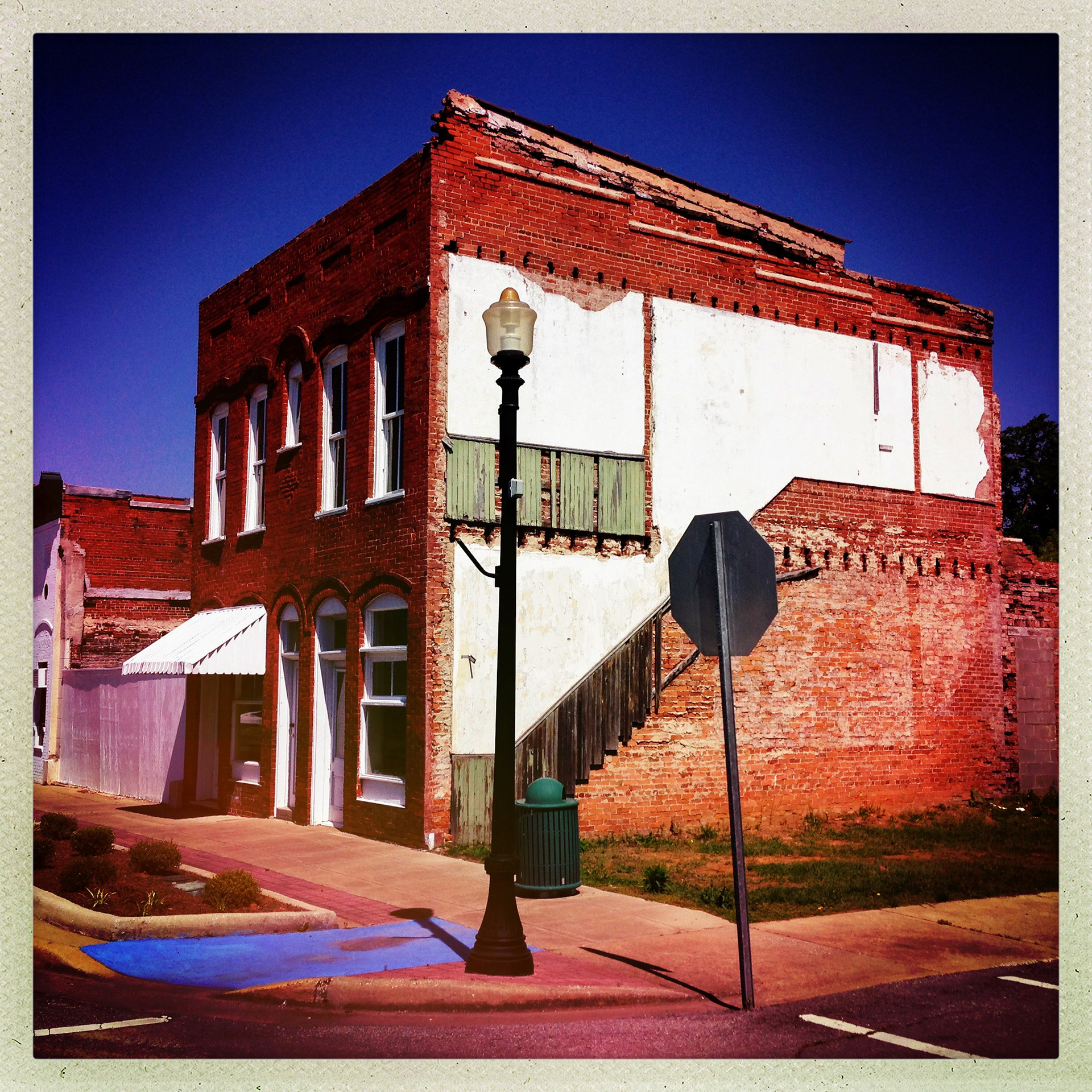
Walker Evans stayed in this former hotel in 1936
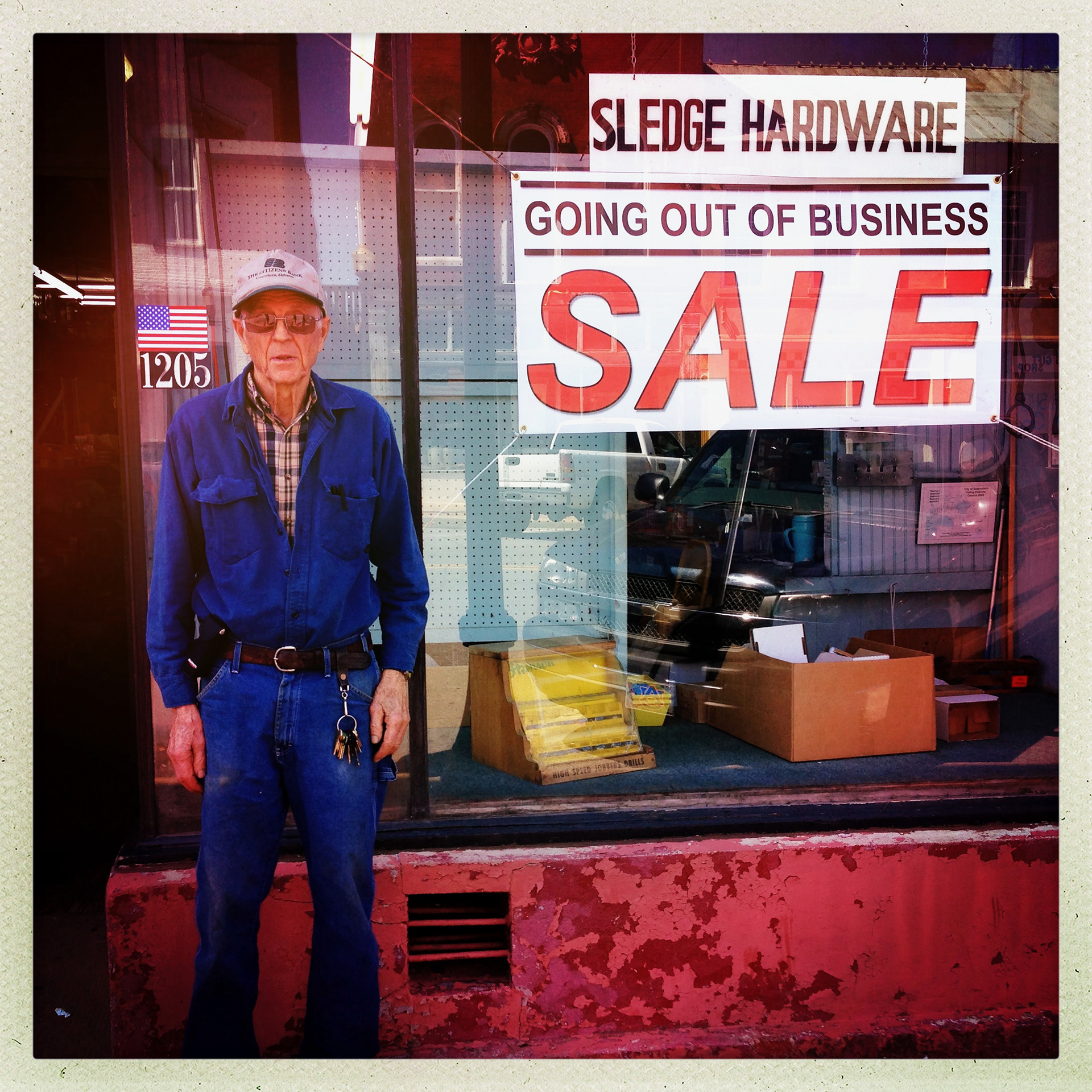
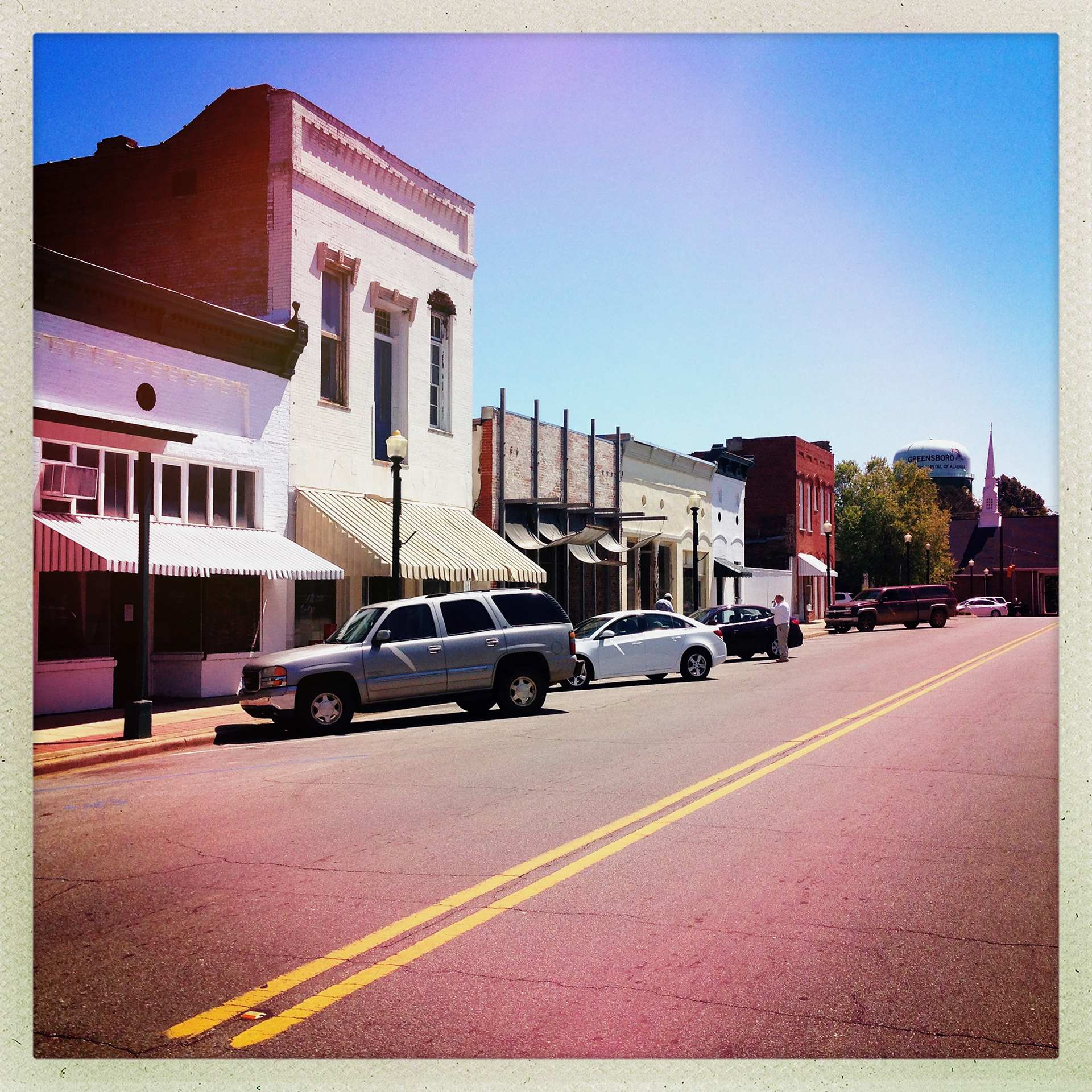
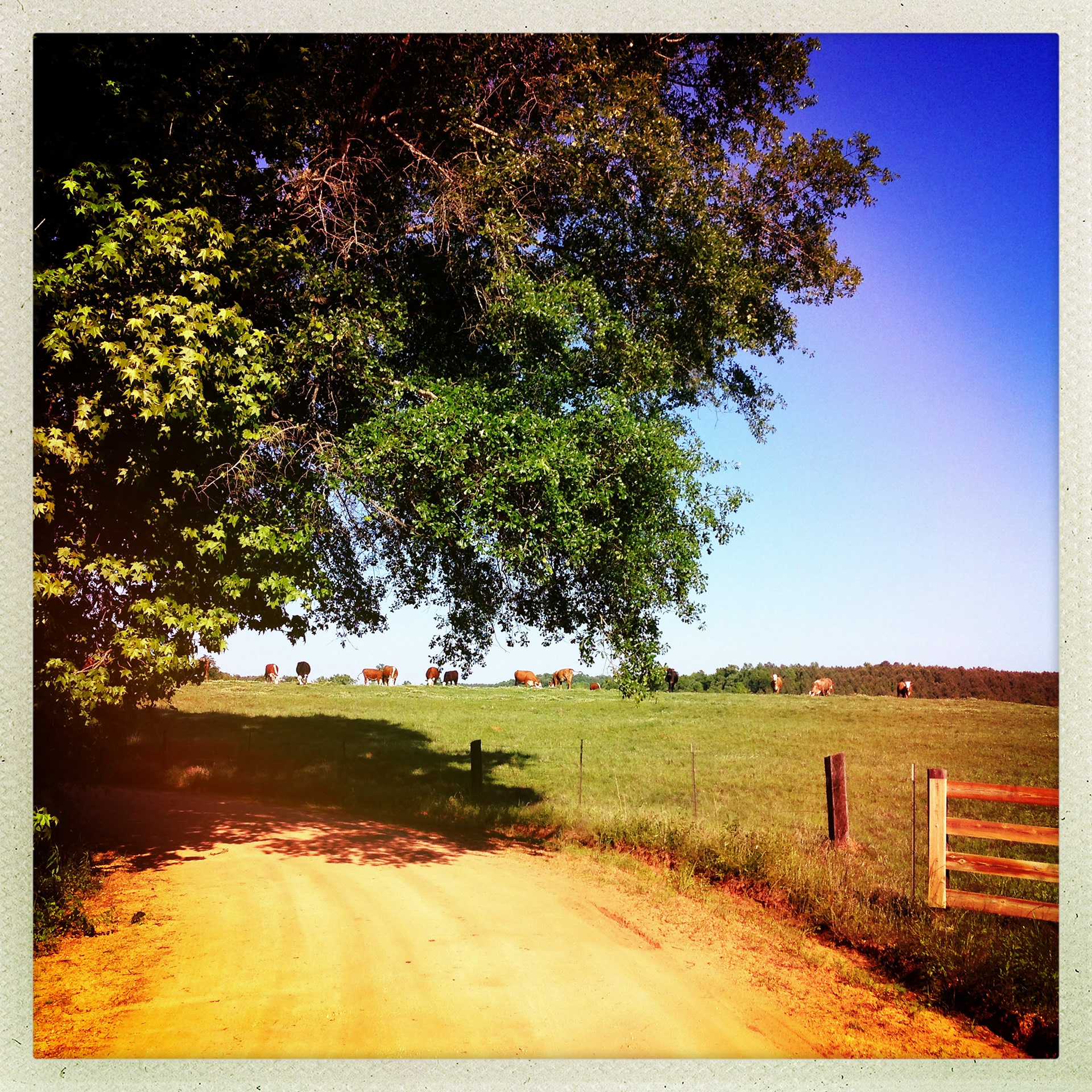
After meeting the three sharecroppers at the courthouse, Evans and Agee gave them a ride home, following this dirt road up to Mills Hill.
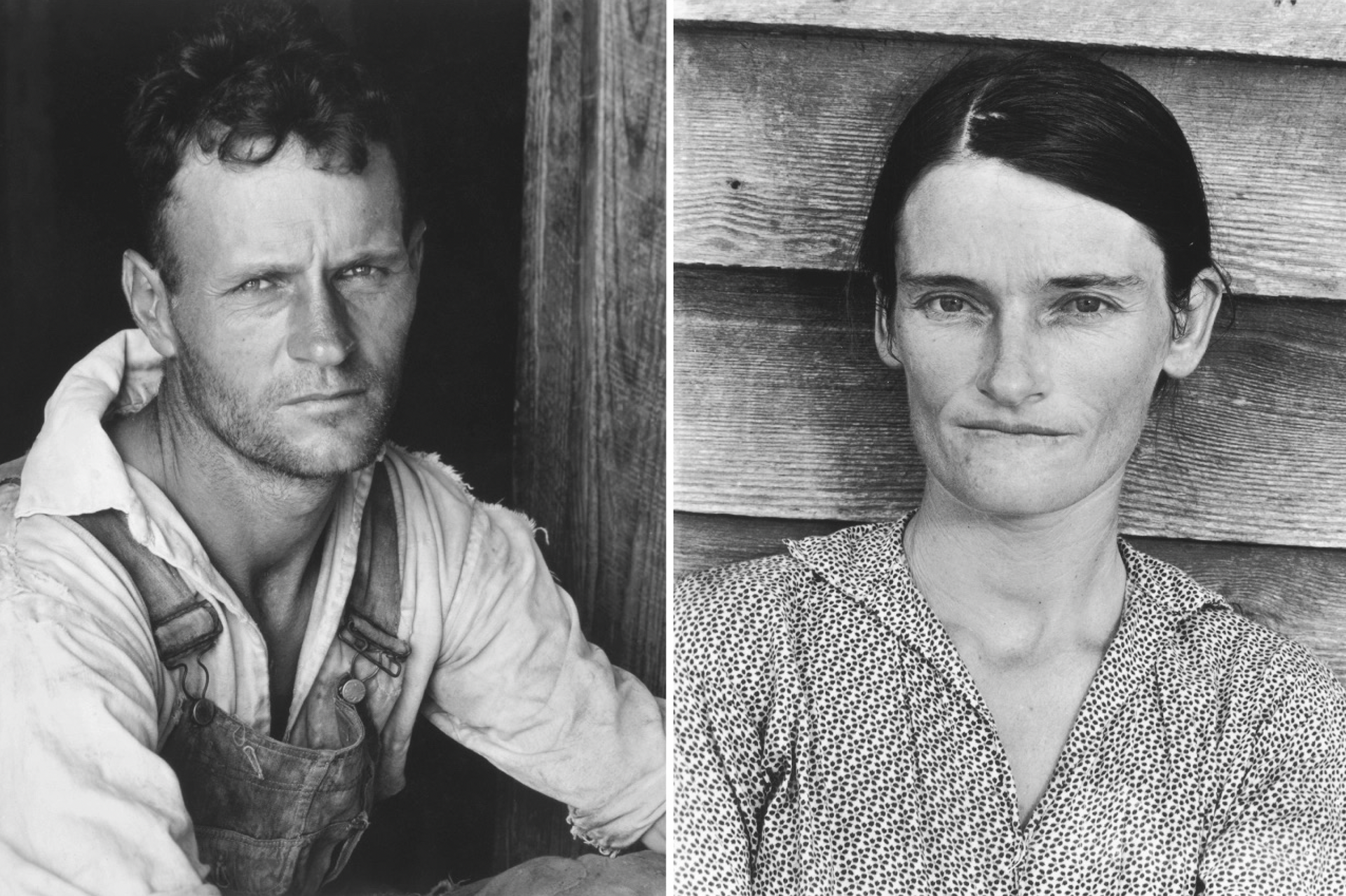
Floyd and Allie May Burroughs photographed by Walker Evans, 1936 (Library of Congress)